How to choose special needs homeschool curriculum, spot learning needs, and know when to get a diagnostic evaluation to understand a learning profile.
Homeschool parents are often the first to notice when something about learning just doesn’t line up with the “typical” path — and that’s not a bad thing. In fact, it’s a superpower. When you understand your child’s learning profile, you can choose curriculum that actually fits them, not the other way around.
This guide for evaluating special needs homeschool curriculum breaks down the most common neurodivergent learning profiles seen in homeschoolers — Dyslexia, ADHD, Autism Spectrum Disorder (ASD), and a few others — with simple checklists, curriculum traits to look for, and clear signs that a diagnostic assessment might be the next best step.
Why Understanding Your Child’s Learning Profile Matters
A learning profile gives you a framework for:
- Choosing curriculum that actually works
- Reducing unnecessary battles over tasks that weren’t designed for your child
- Supporting strengths (because every profile has them!)
- Planning lessons and routines that feel doable
Think of it as a custom map for your homeschool, helping you stop guessing and start teaching with confidence.
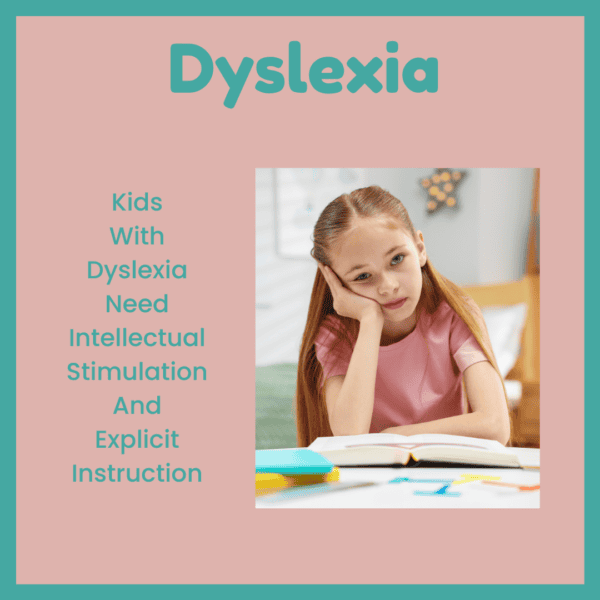
Learning Profile: Dyslexia
Common Learning Profile Needs
- Explicit, systematic phonics instruction
- Repetition and cumulative review
- Multi-sensory teaching (hands-on, kinesthetic, visual supports)
- Extra time for reading and writing tasks
- Audiobooks or read-aloud support
What to Look for in Curriculum
- Structured literacy or Orton–Gillingham–aligned programs
- Decodable readers that match the skills being taught
- Built-in review and slow pacing
- Minimal reliance on writing to show comprehension
- Strong visual scaffolds (color-coding, graphic organizers)
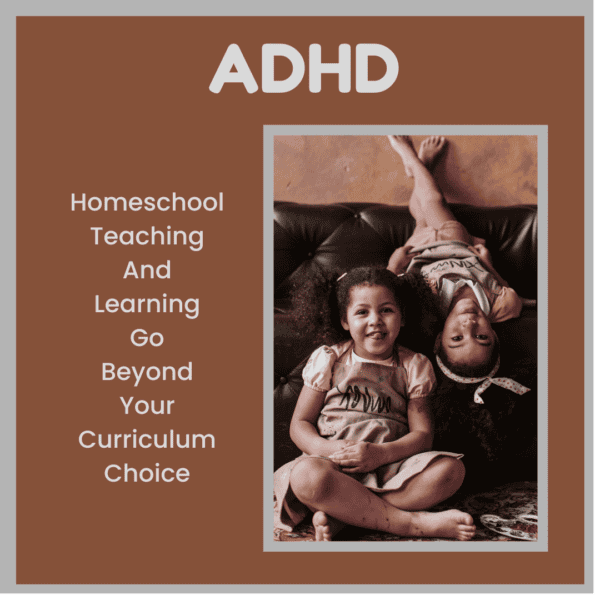
Learning Profile: ADHD (Attention-Deficit/Hyperactivity Disorder)
Common Learning Profile Needs
- Short, bite-sized lessons
- Frequent movement or sensory breaks
- Clear routines and predictable structure
- Visual timers, checklists, and step-by-step instructions
- High-interest content to keep engagement up
What to Look for in Curriculum
- Short lessons or modular units
- Hands-on, interactive activities
- Built-in movement or multi-sensory components
- Clean, uncluttered layouts with minimal distractions
- Options for oral answers instead of written output
Learning Profile: ASD (Autism Spectrum Disorder)
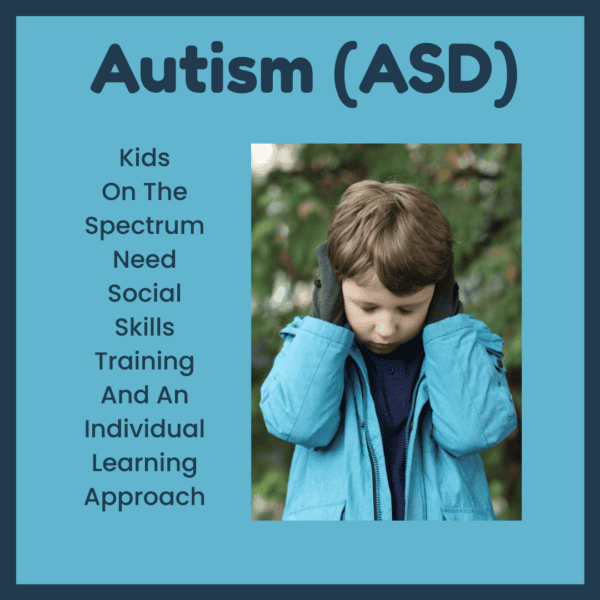
Common Learning Profile Needs
- Concrete, literal explanations
- Visual schedules and clear expectations
- Support with transitions and executive functioning
- Interest-based hooks to increase motivation
- Social-communication practice woven naturally into learning
What to Look for in Curriculum
- Step-by-step instructions with minimal ambiguity
- Clear visual cues (icons, color coding, simple diagrams)
- Predictable routines and repetitive structures
- Flexible pacing and space for special interests
- Explicit teaching of social, communication, and life skills
Learning Profile: Dysgraphia
Common Learning Profile Needs
- Extra time for handwriting and written expression
- Alternatives to writing (speech-to-text, typing, oral narration)
- Explicit handwriting instruction
- Chunked writing tasks
What to Look for in Curriculum
- Minimal copywork unless therapeutic
- Options to respond orally or via typing
- Graphic organizers for writing
- Step-by-step writing frameworks
Learning Profile: Auditory Processing Disorder (APD)
Common Learning Profile Needs
- Slower speech from the instructor
- Clear, concise directions
- Visual cues paired with verbal instruction
- Repetition and rephrasing
- Quiet, distraction-free learning spaces
What to Look for in Curriculum
- Strong visuals; diagrams and charts
- Written instructions for all tasks
- Audio paired with text
- Minimal reliance on fast-paced oral lessons
Learning Profile: Visual Processing Disorder
Common Learning Profile Needs
- Reduced visual clutter
- High-contrast print
- Enlarged fonts or reduced workload per page
- Extra time for reading and math
What to Look for in Curriculum
- Clean, simple layouts
- Minimal decorative elements
- Step-by-step visual models
- Opportunities for hands-on or verbal learning
Learning Profile: Executive Functioning Challenges (common in ADHD, ASD, anxiety, and gifted profiles)
Common Learning Profile Needs
- Clear routines
- Task breakdown into small steps
- Visual supports and timers
- Coaching in planning, organizing, and self-monitoring
- Reduced multi-step directions
What to Look for in Curriculum
- Predictable structure
- Clear task lists and checkboxes
- Built-in review and consistency
- Flexible pacing and shorter lessons
When Should a Parent Consider a Diagnostic Assessment?
A formal evaluation can feel intimidating, but it’s really just information — and information makes homeschooling so much easier.
Consider seeking a diagnostic assessment when:
✔ Schoolwork is consistently causing distress
- Tears, shutdowns, meltdowns, avoidance
- Extreme frustration beyond normal developmental expectations
✔ Your child is working far below or above age-level with no clear explanation
- Chronically behind in reading, writing, or math despite effort
- Or significantly advanced but uneven across subjects
✔ You’ve adapted the curriculum repeatedly, and it still isn’t clicking
✔ Family history includes diagnosed learning differences
Genetics play a meaningful role in dyslexia, ADHD, ASD, and processing disorders.
✔ Social, emotional, or behavioral concerns impact daily functioning
- Trouble with peers
- Emotional regulation challenges
- Persistent anxiety around schoolwork
✔ You need documentation for accommodations
For:
- Dual enrollment
- College boards (PSAT, SAT, ACT)
- Therapies or specialist support
- Future planning
✔ You want clarity before investing in expensive curriculum
A diagnosis can prevent years of trial and error.
Final Encouragement for Parents
Every neurodivergent profile comes with strengths — creativity, outside-the-box thinking, resilience, pattern recognition, imagination, empathy, and more. When you understand how your child learns, you can teach them in a way that finally feels like their education, not a battle.