A K–12 Guide for Homeschool Moms
If you have ever found yourself thinking, “My child knows the material, but struggles to think through problems,” you are not alone. Many homeschool moms notice that their children can memorize facts or complete assignments, yet still struggle with problem solving, decision-making, and independent thinking. This is where teaching critical thinking skills for kids becomes essential.
Critical thinking is one of the most important executive function skills our kids can develop—but it’s also one of the least directly taught.
The good news? You don’t need a complicated curriculum.
You can build critical thinking skills in your homeschool through simple, everyday moments—at every developmental level.
Critical thinking is not just an academic skill. It is a foundational part of executive function skills that supports the capacity to learn, helping children learn how to plan, organize, evaluate, and adapt. The encouraging news is that you do not need an expensive or complicated program to begin. With a few intentional shifts, you can begin teaching critical thinking at home in ways that feel natural, doable, and even enjoyable.
What Is Critical Thinking (and Why It Builds Executive Function)?
Critical thinking is the ability to:
- Analyze information
- Ask meaningful questions
- Make decisions
- Solve problems
- Reflect on outcomes
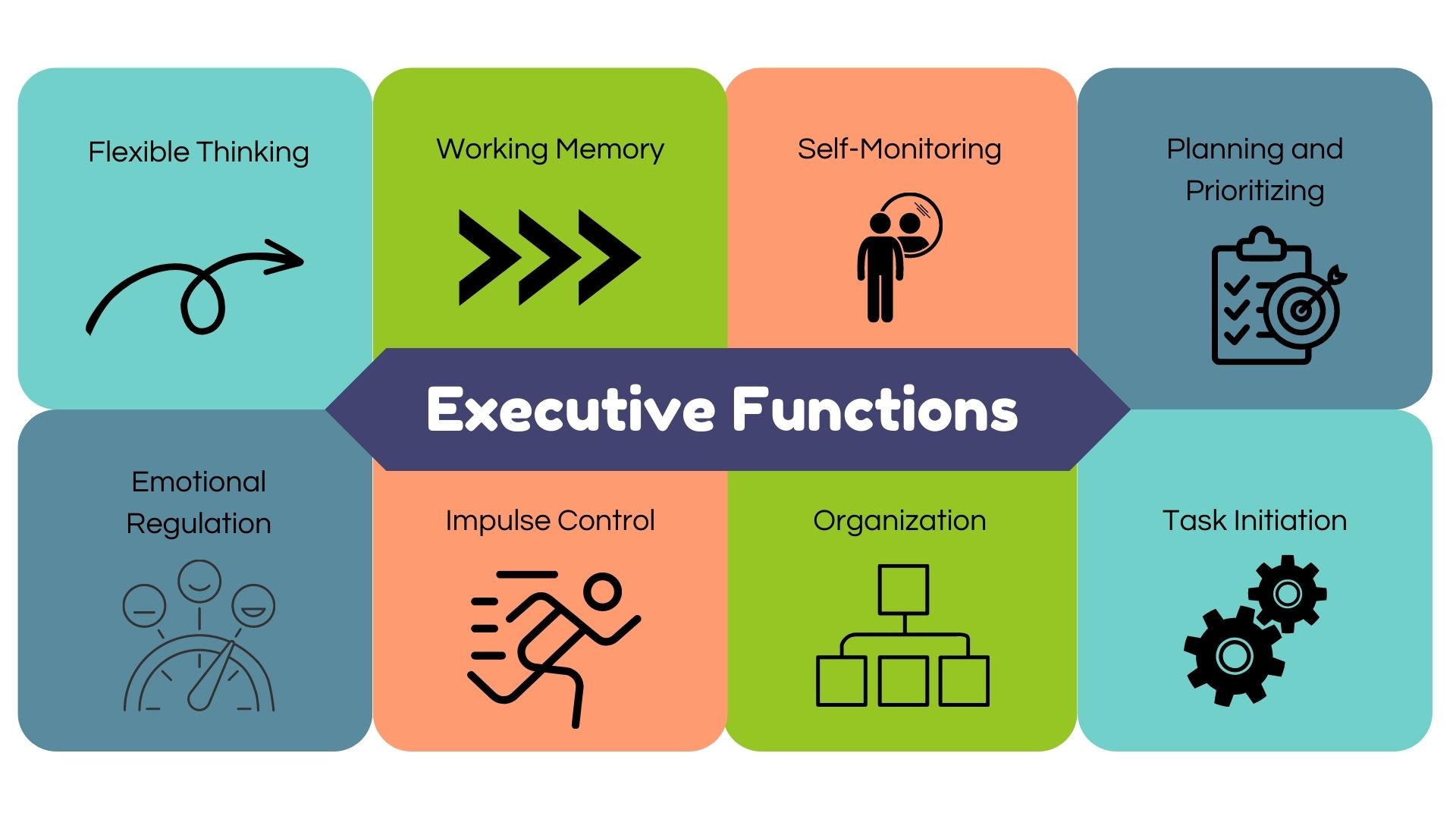
These skills directly support executive functioning, including:
- Working memory
- Cognitive flexibility
- Planning and organization
- Self-monitoring
- Impulse control
👉 In other words:
When kids learn to think well, they learn to function well.
Critical thinking involves the ability to analyze information, ask meaningful questions, make decisions, and reflect on outcomes. These abilities directly support executive functioning, including working memory, cognitive flexibility, self-monitoring, and impulse control. When we focus on building problem solving skills for students, we are also strengthening the very skills that help our children function well in everyday life.
In a homeschool setting, especially when working with unique learners, critical thinking often needs to be taught explicitly. Children benefit from hearing their parent model the thinking process out loud, walking through decisions step by step, and practicing these skills in real-life situations. Over time, these moments build confidence and independence.
Core Critical Thinking Skills to Teach
Here’s a simple, homeschool-friendly list you can build into your lessons:
- Observing and noticing details
- Comparing and contrasting
- Categorizing and sorting
- Sequencing (what comes next?)
- Cause and effect reasoning
- Predicting outcomes
- Evaluating information (true/false, helpful/unhelpful)
- Making decisions
- Problem-solving
- Reflecting on choices
Kindergarten–2nd Grade: “Notice, Sort, and Wonder”
In the early years, from kindergarten through second grade, children are developing foundational thinking skills. This stage is less about finding correct answers and more about noticing, sorting, and wondering. When you ask your child what they see in a picture or what is different between two objects, you are building observation skills that support later reasoning. When they sort toys or snacks by color, size, or type, they are learning how to categorize information, which is an important early executive functioning activity. Even something as simple as pausing during a read-aloud to ask what might happen next encourages prediction and flexible thinking. These small, everyday moments lay the groundwork for strong critical thinking skills by age.
At this stage, focus on foundational thinking skills.
Key Focus:
- Observation
- Sorting
- Simple reasoning
Easy Activities:
- “What Do You Notice?”
Show a picture and ask: What do you see? What’s different? - Sorting Games
Sort toys, snacks, or cards by:- Color
- Size
- Function
- Predict the Ending
Pause a story and ask:
What do you think will happen next? - Odd One Out
Give 3–4 items and ask:
Which one doesn’t belong? Why?
💡 Executive function boost: Builds attention, flexibility, and early reasoning.
3rd–5th Grade: “Explain Your Thinking”
As children move into third through fifth grade, they become more capable of explaining their thinking. This is a wonderful stage to begin asking questions like, “How do you know that?” or “Why do you think that works?” Encouraging your child to explain their reasoning helps strengthen both understanding and communication. At this level, homeschool learning strategies can include comparing characters in a story, working through simple real-life problems like budgeting grocery money, or discussing cause and effect in history or science. These activities naturally build working memory and organization, both of which are key parts of executive function skills homeschool families want to strengthen.
Now kids are ready to verbalize and justify their ideas.
Key Focus:
- Explaining reasoning
- Comparing ideas
- Beginning problem-solving
Easy Activities:
- “How Do You Know?” Questions
After answers, always ask:
How do you know that? - Compare & Contrast Charts
Characters, animals, historical figures - Real-Life Problem Solving
We have $20—what groceries should we buy? - Cause & Effect Chains
What happened? Why? What happened next?
💡 Executive function boost: Strengthens working memory and organization.
Middle School (6th–8th): “Think Deeper, Think Differently”
During the middle school years, students are ready to think more deeply and consider multiple perspectives. This is where teaching critical thinking at home can become especially powerful. Conversations about real-life situations, simple debates, and analyzing mistakes all help students develop cognitive flexibility. When a child reflects on what went wrong in a project and how they could improve, they are practicing self-monitoring, which is a crucial executive function skill. Planning projects, managing time, and thinking through multi-step problems also provide meaningful opportunities for growth. These types of executive functioning activities help students learn how to approach challenges with confidence rather than frustration.
This is where cognitive flexibility really grows.
Key Focus:
- Perspective-taking
- Evaluating ideas
- Multi-step problem solving
Easy Activities:
- Debate Simple Topics
Should kids have phones? Why or why not? - What Would You Do? Scenarios
Social situations, ethical dilemmas - Analyze Mistakes
What went wrong? What could we do differently? - Plan a Project
Budget, materials, timeline
💡 Executive function boost: Planning, self-monitoring, and flexible thinking.
High School (9th–12th): “Real-World Thinking”
In high school, critical thinking shifts toward real-world application. Students benefit from opportunities to evaluate information, make decisions, and think independently about their future. Discussing topics like budgeting, job choices, and evaluating sources of information helps prepare them for adult life. When students create pros and cons lists or teach a concept back to someone else, they are strengthening decision-making and deep understanding. These are the kinds of thinking skills for unique learners that support long-term independence and success.
Now we prepare them for independence and life skills.
Key Focus:
- Decision-making
- Evaluating sources
- Long-term planning
Easy Activities:
- Life Decisions Practice
- Job choices
- Budgeting
- Time management
- Analyze Media
Is this source reliable? Why? - Pros & Cons Lists
Big decisions (college, jobs, schedules) - Teach Back Method
Have them teach a concept to someone else
💡 Executive function boost: Independence, planning, and self-regulation.
One of the most encouraging aspects of building critical thinking is that it does not require adding more to your already full homeschool day. Instead, it is about making small, intentional changes to what you are already doing. Asking open-ended questions, allowing your child time to struggle productively, and modeling your own thinking process can make a significant difference. Real-life situations, such as cooking, planning a schedule, or solving everyday problems, are some of the most effective ways to build executive function skills in homeschool environments.
Simple Ways to Build Critical Thinking Into Daily Homeschool Life
This is where it gets really encouraging—you don’t need to add more to your plate.
Just tweak what you’re already doing.
Try This:
- Ask more open-ended questions
- Let your child struggle a little before helping
- Think out loud:
“Hmm… I’m not sure. Let me figure this out.” - Use real-life situations (meals, schedules, errands)
- Encourage multiple solutions, not just one right answer
For children with executive function challenges or unique learning needs, a few gentle adjustments can make these skills more accessible. Using visuals, breaking tasks into smaller steps, and providing sentence starters such as “I think this because…” can help reduce overwhelm. Repetition in low-pressure settings allows children to build confidence over time. Most importantly, celebrating effort rather than just correct answers creates a safe space for growth. This is especially important when developing a homeschool executive function curriculum that truly supports the whole child.
If your homeschool includes a kiddo with spiky skills or executive function challenges, here are a few key supports:
- Use visuals and hands-on materials
- Break tasks into small, manageable steps
- Give sentence starters:
- “I think this because…”
- “Another idea could be…”
- Practice repeatedly in low-pressure settings
- Celebrate effort—not just correct answers
💛 This is where confidence grows.
As a homeschool mom, it is important to remember that you do not need to do this perfectly. Each time you ask your child what they think, why they think it, or what they might try next, you are building both critical thinking and executive functioning skills. These are the skills your children will carry with them far beyond their homeschool years.
Final Encouragement
You don’t have to do this perfectly. You are doing meaningful work. Even in the small, everyday moments, you are helping your child learn how to think, not just what to learn. And that is what builds true independence.
Every time you ask:
- “What do you think?”
- “Why do you think that?”
- “What could you try next?”
…you are building critical thinking skills AND executive function skills.
And those are the skills your kids will use for life.
References & Resources for Homeschool Moms
Here are a few helpful starting points:
- SPED Homeschool
- SPED Homeschool is an invaluable resource for families of any type of neurodivergent learner! https://www.spedhomeschool.com/
- Homeschool Legal Defense Association (HSLDA)
- For homeschooling guidance and support, especially for families of children with any type of special learning needs, the Home School Legal Defense Association is also a valuable resource.
https://hslda.org
- For homeschooling guidance and support, especially for families of children with any type of special learning needs, the Home School Legal Defense Association is also a valuable resource.
- Harvard Center on the Developing Child
- The Harvard Center on the Developing Child offers research-based insights into how children learn and develop.
https://developingchild.harvard.edu
- The Harvard Center on the Developing Child offers research-based insights into how children learn and develop.
- Understood.org (Executive Function Resources)
- Understood.org provides practical strategies specifically for executive function challenges.
https://www.understood.org
- Understood.org provides practical strategies specifically for executive function challenges.
- The Foundation for Critical Thinking
- The Foundation for Critical Thinking offers deeper exploration into reasoning and logic
https://www.criticalthinking.org
- The Foundation for Critical Thinking offers deeper exploration into reasoning and logic