Homeschooling can be a wonderful option for neurodivergent children who need more personalized support, flexibility, and understanding. Whether your child has ADHD, dyslexia, anxiety, autism, or other learning differences, creating a learning environment tailored to their strengths and challenges can make all the difference – both in your child’s academic success and your sanity! If you’re wondering how to begin, here are some steps to guide you.
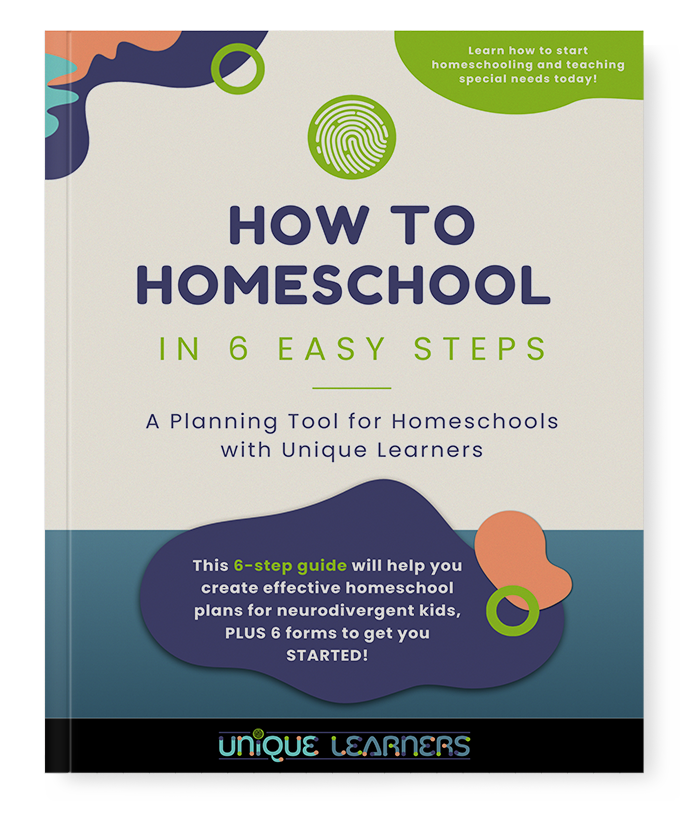
These are great steps to focus your mindset for creating a homeschool that works for neurodivergent learners. If you want more details, be sure to download our ebook: How to Homeschool
1. Understand Your Child’s Unique Profile
Before you jump into curriculum choices, spend time observing and reflecting on your child’s:
- Strengths and interests (What topics light them up? When are they most engaged?)
- Sensory needs (Do they get overstimulated easily? Do they need movement breaks?)
- Learning preferences (Do they prefer visual aids, hands-on activities, or audio content?)
- Areas of challenge (Where do they need extra support or accommodations?)
Gather any formal evaluations (IEPs, psychological assessments, therapy reports) and use them to inform your approach—but remember, you know your child best. If you’re not sure how to use assessments to help you decide about curriculum or teaching methods, we are happy to help!
2. Learn Your Local Homeschool Laws
Homeschool laws vary by state and country. Some regions require:
- Registration with your local school district
- An educational plan
- Periodic evaluations or standardized testing
- Special provisions for children with disabilities
Visit the Home School Legal Defense Association (HSLDA) or your state’s Department of Education website to find accurate legal information. If your state requires yearly standardized testing, we can help with that!
3. Choose the Right Approach and Curriculum
Traditional curriculum may not fit every neurodivergent learner. Many families mix and match resources or use alternative approaches like:
- Eclective, brain-based (different materials for each subject based on your child’s learning needs)
- Charlotte Mason (short lessons, nature study, living books)
- Montessori or Reggio Emilia (hands-on, self-paced)
- Project-based learning
- Online programs and adaptive apps
Look for curricula that are:
- Flexible in pacing
- Multisensory
- Easy to adapt
- Supportive of strengths while addressing challenges
We are happy to make suggestions for curriculum specific to your preferred homeschool approach and your child’s learning needs. Join our NEW membership for assistance designed specifically for YOU!
Remember, you can adapt materials or create your own resources to suit your child. If you aren’t sure how to make modifications or accommodations, we can help with that!
4. Create a Calm, Supportive Environment
Neurodivergent kids often thrive in predictable, low-stress settings. Consider:
- Setting up a dedicated learning area free of clutter
- Using noise-canceling headphones or soft background music
- Offering fidgets, wobble cushions, or sensory tools
- Building routines with visual schedules or checklists
- Allowing frequent movement breaks
The goal is to help your child feel safe, comfortable, and ready to learn.
5. Build a Support Network
You don’t have to do this alone! Our NEW membership is designed specifically to help you set up, teach, and sustain a joyful homeschool experience. You can also connect with:
- Local homeschool co-ops
- Online groups for parents homeschooling neurodivergent children
- Therapists experienced in providing support in the underlying issues involved with learning
- Other parents who understand your journey
Our NEW membership can help you find encouragement, resources, and support for you!
6. Focus on Growth, Not Comparison
Every child develops at their own pace. It’s easy to fall into the trap of comparing your child’s progress to others, but neurodivergent learners often have uneven development—advanced in some areas, delayed in others. Celebrate small wins and measure success by your child’s growth, not external standards.
We, as parents of neurodivergent learners often feel out of place in social media sharing those small successes. Our NEW membership will provide that outlet where you can be confident to celebrate those amazing wins and know that others will be happy for you and your child right along with you!
7. Take Care of Yourself
Parenting and homeschooling a neurodivergent child can be rewarding but also draining. Make space for:
- Self-care and rest
- Breaks when needed
- Counseling or support for your own mental health
A well-supported parent is better able to support their child.
Final Thoughts
Homeschooling a neurodivergent child is a journey of discovery, patience, and love. You have the freedom to honor your child’s unique needs and gifts. With flexibility, compassion, and the right resources, you can create a learning experience that helps your child thrive.
If you’d like help choosing curriculum or want to learn more about joining our NEW membership of homeschool moms of unique learners, feel free to reach out—we’re here to help!