Homeschooling gives our kids freedom to learn in unique ways, but many moms wonder: How can I help my child stay focused and become more independent in their work? The good news is homeschool moms can learn how to increase concentration span and independence in their kids, even those kiddos with ADHD. By combining structure with creativity, and adding approaches like project-based learning and multisensory practice, we can help our children grow into confident, capable learners.
1. Establish Consistent Routines and Space

Children thrive when they know what to expect. A predictable daily rhythm—morning reading, mid-morning math, afternoon projects—helps reduce distractions. Designating a specific learning space also signals “school mode,” whether it’s a corner desk, the kitchen table, or a cozy nook.
2. Break Tasks into Steps
Big assignments can overwhelm. Teaching kids to break a project into smaller steps builds both concentration and independence. For example: brainstorm → outline → draft → edit. Using checklists or visual charts allows kids to track progress and take ownership of their work.
3. Use Project-Based Learning
Project-based learning (PBL) is an excellent way to foster independence. Instead of isolated worksheets, children work on meaningful projects that require planning, problem-solving, and creativity. A child fascinated by space could design a model solar system, write a fact booklet, and present their findings to the family. Projects naturally encourage focus because they connect learning to personal interests.
4. Practice Skills with a Multisensory Approach
Not all kids learn best by reading alone. Incorporating sight, sound, movement, and touch strengthens attention and memory. For example:
- Spelling: Build words with magnetic letters, trace them in sand, or clap out syllables.
- Math: Use beans, LEGO bricks, or counting chips to solve equations.
- History: Recreate a historical scene with costumes or dioramas.
By engaging multiple senses, kids stay actively involved, making it easier to concentrate and remember.
5. Teach Focus Through Short Work Intervals
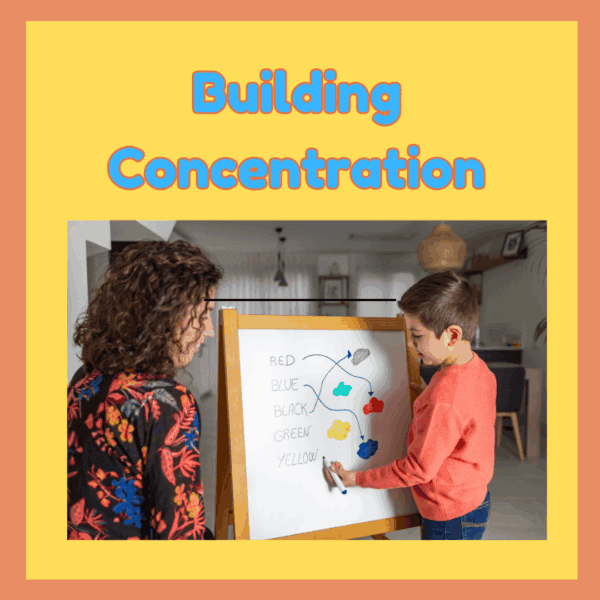
Timers can transform focus. Try 15 minutes of concentrated work followed by a 5-minute break. These short intervals help kids build stamina while preventing burnout. Over time, they’ll be able to handle longer independent sessions.
6. Encourage Reflection and Self-Motivation
Help kids set personal goals and reflect on what worked well or what distracted them. Celebrate effort rather than just results—“I noticed how hard you worked on finishing your project today!” Over time, this builds intrinsic motivation, which is the key to independent learning.
7. Model Independent Habits
When children see you reading, writing, or working without distraction, they learn what focused effort looks like. Modeling independence is just as powerful as teaching it directly.
8. Celebrate Progress, Not Perfection
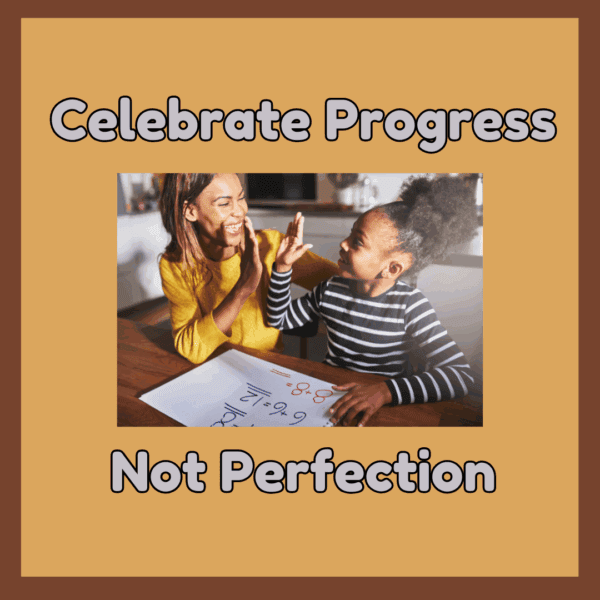
Independence doesn’t happen overnight. Some days will be smooth, others bumpy. Focus on growth—“You worked on that project for 15 minutes all by yourself!”—and your child will gradually develop stronger concentration and self-reliance.
Final Thought
Helping homeschooled kids concentrate and work independently is about creating an environment where curiosity, structure, and creativity blend together. By weaving in project-based learning and multisensory practice, we can equip our children with not just academic skills, but lifelong habits of focus, problem-solving, and self-motivation.